
Software testing evolved as computers became more powerful and software became more complex. Initially, developers only checked whether programs ran without crashing. Over time, testing became a dedicated profession with structured processes, automation, and advanced tools.


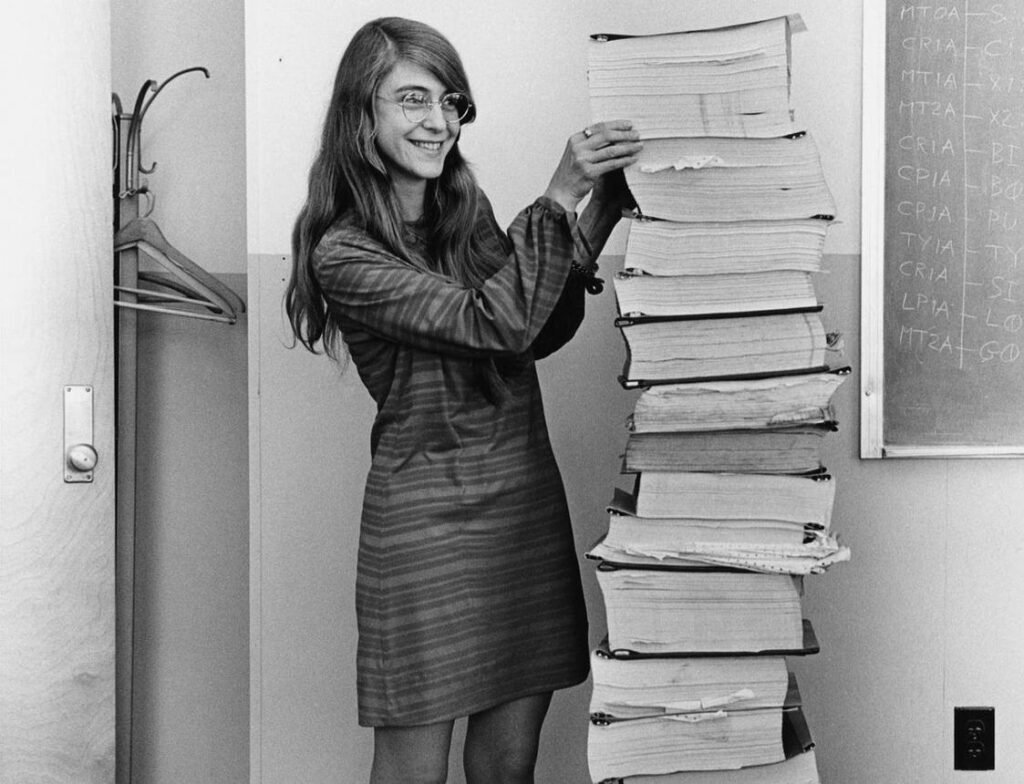
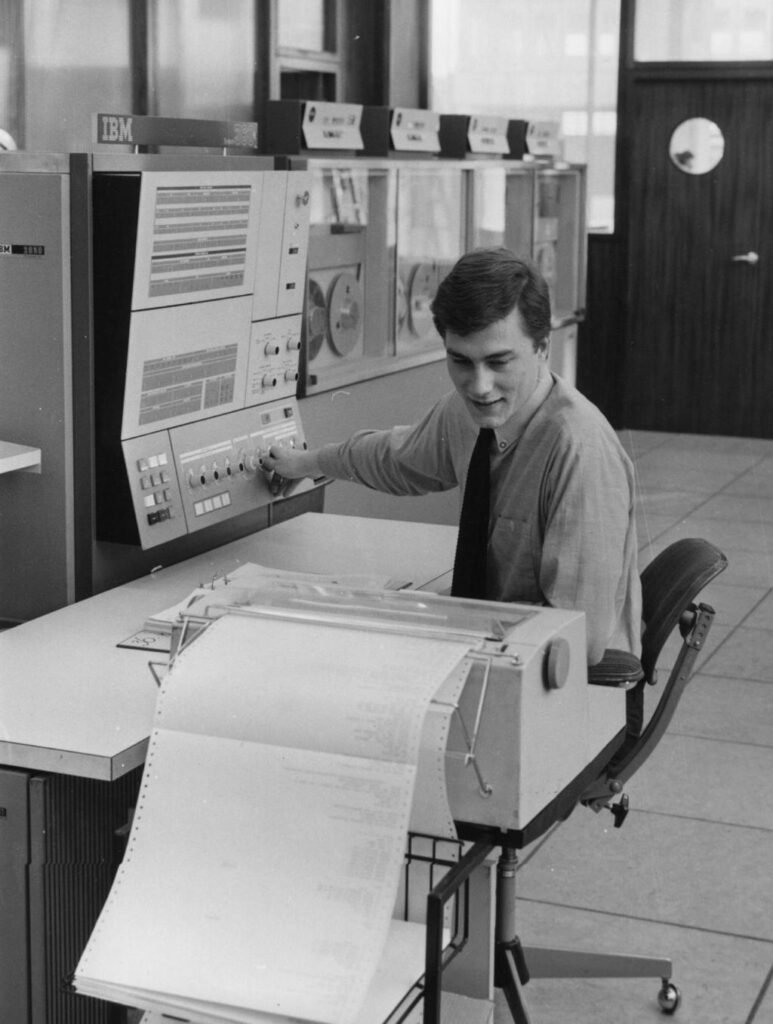
📜 Timeline of Software Testing
🖥️ 1940s–1950s: Debugging Era
- Early computers used machine language and punch cards.
- Programmers tested software manually while writing code.
- The main focus was finding and fixing bugs (“debugging”).
Interesting Fact
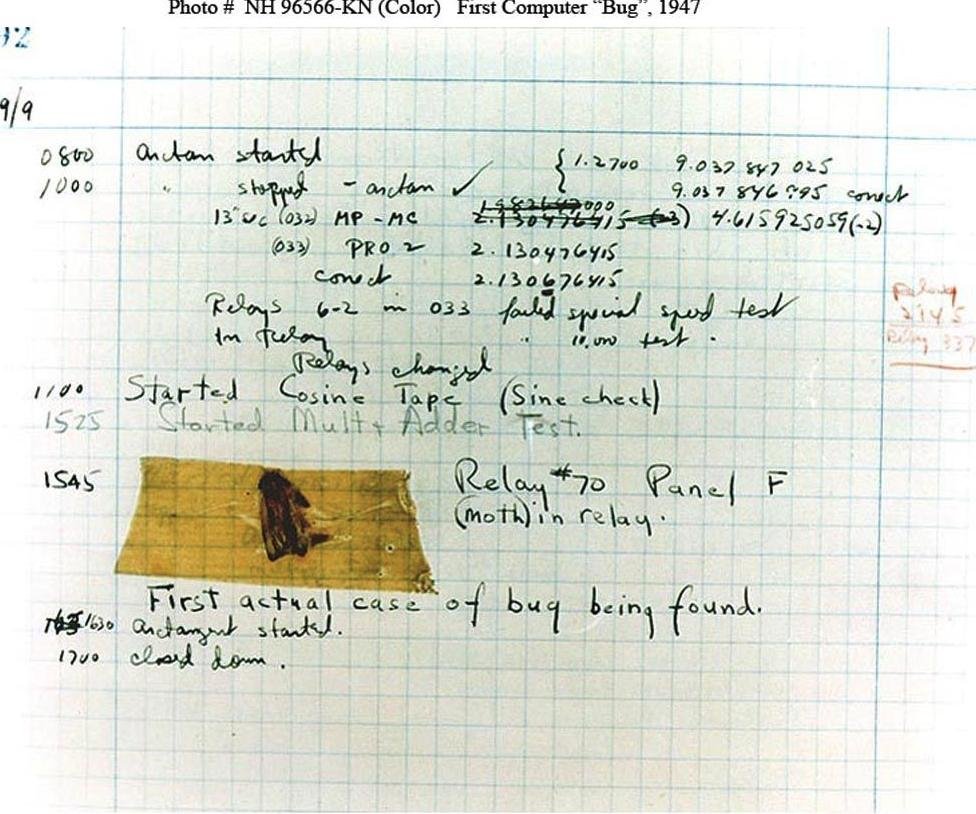
The term bug became famous after Grace Hopper found a moth inside a computer relay.
🧪 1960s: Beginning of Formal Testing


- Software projects became larger and more expensive.
- Companies realized testing was different from coding.
- Concepts introduced:
- Test cases
- Test planning
- Verification and validation
- The term Software Engineering became popular after the NATO Software Engineering Conference.
⚙️ 1970s: Structured Testing
- Structured programming increased.
- Test methodologies were introduced.
Popular Concepts
- Black-box testing
- White-box testing
- Unit testing
- Integration testing
SDLC Models
genui{“math_block_widget_always_prefetch_v2”:{“content”:”y = mx + b”}}
(Used here only as a simple visual graph example; software testing itself is process-oriented rather than mathematical.)
- The Waterfall model became popular.
- Testing was usually done after development.
🧱 1980s: Quality Assurance (QA) Era


- Dedicated QA teams were created.
- Focus moved from only finding defects to improving quality.
New Testing Types
- System testing
- Regression testing
- Performance testing
Famous Standards
- IEEE testing standards
- Quality processes like ISO
🌐 1990s: Automation & Web Testing


- The internet boom created web applications.
- Manual testing alone became too slow.
Automation Tools Appeared
- WinRunner
- LoadRunner
- QTP
Important Concepts
- Test automation
- Client-server testing
- Browser compatibility testing
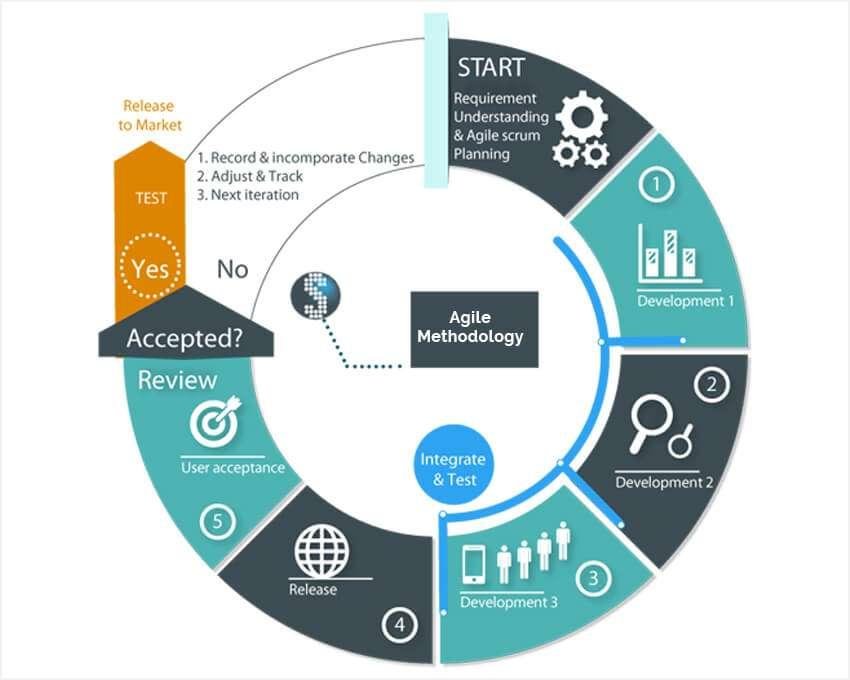
🚀 2000s: Agile Testing
- Agile development changed testing completely.
- Testing became continuous instead of happening only at the end.
Agile Practices
- Daily testing
- Sprint testing
- Continuous feedback
- Early bug detection
Popular Frameworks & Tools
- Selenium
- JUnit
- TestNG
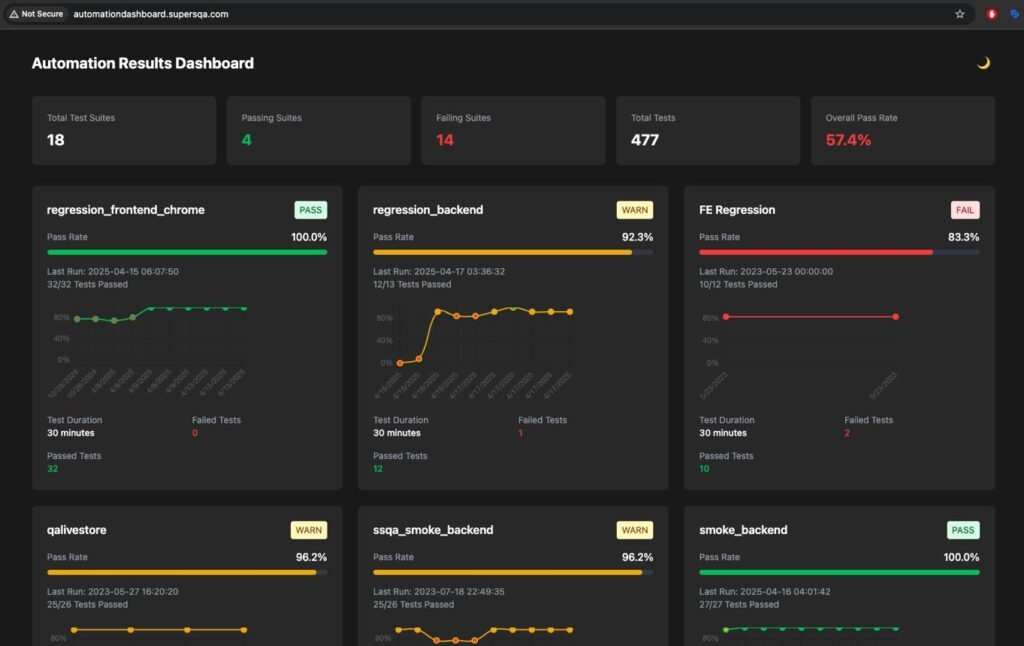
☁️ 2010s: DevOps & Continuous Testing


- Companies started releasing software very frequently.
- Testing became integrated with CI/CD pipelines.
Key Trends
- API testing
- Mobile testing
- Cloud testing
- Security testing
Popular Tools
- Jenkins
- Postman
- Jira
🤖 2020s: AI & Smart Testing


Modern software testing includes:
- AI-based automation
- Self-healing test scripts
- Shift-left testing
- Shift-right testing
- Continuous monitoring
Modern Tools
- Playwright
- Cypress
- Appium
📌 Evolution Summary
| Period | Main Focus |
|---|---|
| 1940s–50s | Debugging |
| 1960s | Formal testing |
| 1970s | Structured methods |
| 1980s | Quality assurance |
| 1990s | Automation begins |
| 2000s | Agile testing |
| 2010s | DevOps & CI/CD |
| 2020s | AI-driven testing |